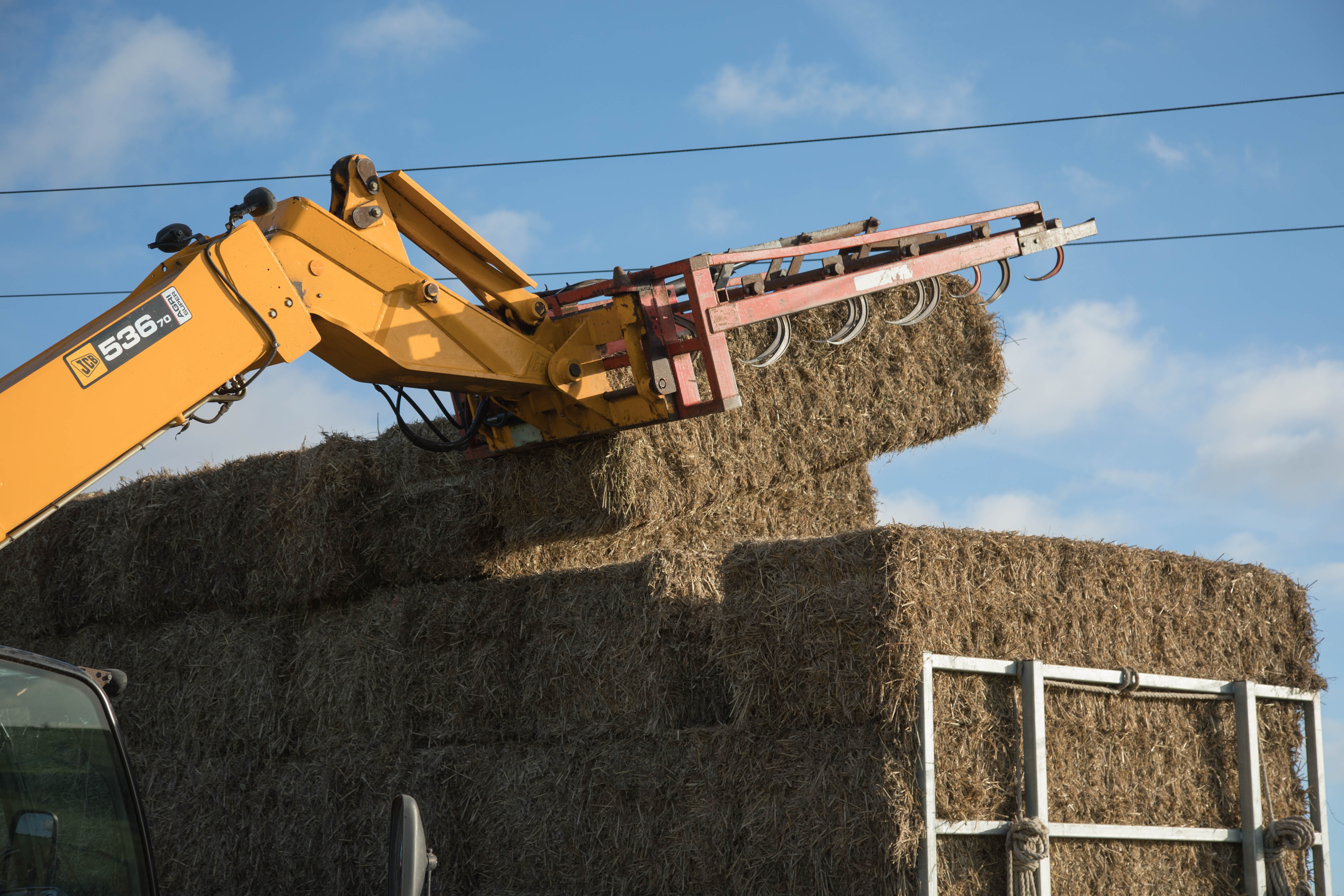
On average, one farm worker dies each year as a result of contact with an overhead power line. In the last five years, there were 1,140 near-miss incidents involving machinery and overhead power lines where serious injury or death was a possibility.
UK Power Networks, which owns power lines that bring electricity supplies to 8million homes and businesses across the East and South East of England, has joined forces with the UK’s other electricity network companies to ensure those working in the agricultural industry understand the dangers of working near power lines, in a bid to reduce the number of incidents that take place each year. Despite potentially fatal consequences, over 85% of people never worry about getting too close to an overhead power line, according to the latest research from Energy Networks Association (ENA).
In response to the scale of such incidents, Energy Networks Association and GB’s electricity network operators have joined forces to launch Look Out Look Up!
Look Out Look Up! is encouraging people to plan ahead to avoid contact with overhead power lines and to know what to do if contact is made.
Peter Vujanic, head of health and safety at UK Power Networks, said: “Life can change in a heartbeat when someone inadvertently hits an overhead power line. When people are tired or engrossed in their work they may forget the potential dangers above them. Taking a few minutes to Look Out, Look Up!’, plan and avoid overhead power lines is the best way to stay safe when you are working outdoors, moving a ladder around your garden at home, fishing or kite flying. Every near miss that we hear about could have been a fatality.”
The risk to farm workers is not only during harvest but all year round. Annually, approximately 225 reported incidents occur where farm vehicles and machinery make contact with overhead lines. Not only does each incident have the potential to kill or seriously injure those workers involved, there are also financial costs in terms of damaged and destroyed equipment and lost time.
People working in agricultural and other sectors, such as construction and road haulage, who work near overhead power lines are advised to:
• Risk assess – know where overhead power lines are and mark them on a map. Find out the height and reach of your equipment and how this compares to the maximum working height under overhead power lines. Share this information with workers and contractors.
• Don’t work near an overhead power line if you don’t have to. Speak to your electricity network operator for advice. Select suitable machinery and equipment and use it safely.
• Know what’s safe, and what isn’t – certain work should be avoided within 10 metres of overhead power lines, such as stacking bales and potato boxes, operating telehandlers and moving irrigation pipes.
• When overhead power lines are damaged or fall to the ground, stay well away and contact the local electricity company by telephoning 105.
• Know what to do if you come into contact with an overhead power line – if contact is made when you’re in a vehicle, stay in the cab and to try to drive clear. If it is not safe to stay in the vehicle, jump clear of the machine, move away and don’t touch it once on the ground.
• Call 105 if an incident occurs. According to the ENA, over four in five people do not know the free power cut helpline.
Nick Summers, Head of Safety, Health & Environment at Energy Networks Association, said: “There are too many incidents involving overhead power lines and agriculture workers. When incidents happen, they are serious. If a person comes into contact with an overhead power line, it will result in death or serious injury. Our research also showed that there is a misunderstanding surrounding the dangers of overhead power lines, with over two thirds (68%) of people not knowing the minimum distance between the ground and an overhead power line.
“That’s why we have launched this campaign and created a new information film. We want to prevent deaths and injury by making sure people know about the risks of working near overhead power lines, and how to avoid them.”
Video link:
http://www.energynetworks.org/electricity/she/safety/safety-advice/overhead-power-lines-safety-campaign.html